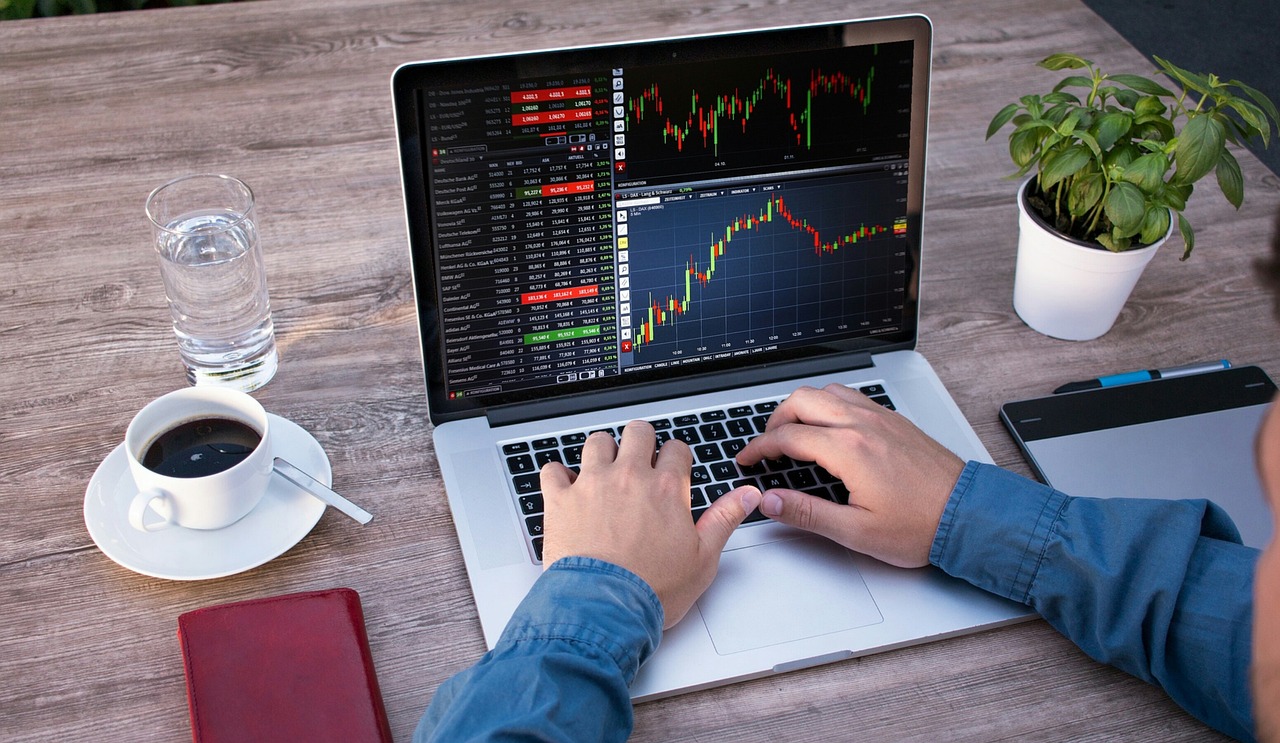

When it comes to Forex trading, most beginners focus solely on strategies, indicators, and market analysis. But in truth, the most powerful factor that determines success or failure in the Forex market isn’t just your trading system — it’s your mind.
Welcome to the world of Forex psychology, where understanding your emotions can mean the difference between consistent profits and devastating losses.
1. The Emotional Rollercoaster of Forex Trading
Forex isn’t just numbers and charts — it’s a psychological battlefield. The market constantly tests your patience, discipline, and confidence. Every trader, whether beginner or pro, experiences emotions such as:
-
Fear: The dread of losing money often leads to hesitation or closing trades too early.
-
Greed: The urge to “win big” can cause traders to over-leverage or chase unrealistic profits.
-
Hope: Many traders hold losing positions, hoping the market will “turn around.”
-
Regret: Missing out on a trade can trigger impulsive actions and revenge trading.
Recognizing these emotions is the first step toward mastering them.
2. Why Emotional Control Matters More Than Strategy
Even the best trading system fails when emotions take over. You might have a 70% win-rate strategy, but if fear or greed makes you deviate from your plan, your results will suffer.
Discipline, not just knowledge, separates successful traders from struggling ones. Controlling your emotions helps you stick to your trading plan, manage risk effectively, and avoid impulsive decisions.
3. Common Psychological Traps in Forex Trading
Let’s look at some mental traps that ruin many traders’ journeys:
-
Overtrading: Entering too many trades due to excitement or boredom.
-
Revenge Trading: Trying to “win back” losses immediately, which usually leads to more losses.
-
Confirmation Bias: Only focusing on information that supports your opinion about a trade.
-
Loss Aversion: Refusing to close a losing trade because you can’t accept the loss.
Understanding these traps is crucial to protecting both your capital and your confidence.
4. How to Master Your Trading Psychology
To gain emotional control, you need a solid mental framework. Here’s how to start:
-
Develop a Trading Plan: Write down your entry and exit rules, risk management, and goals — and never break them.
-
Use a Trading Journal: Document every trade and emotion you feel. Reviewing your patterns will reveal where emotions control you.
-
Set Realistic Expectations: Understand that losses are part of trading. Focus on long-term growth, not daily wins.
-
Practice Mindfulness: Techniques like meditation or deep breathing can help reduce stress and improve focus.
-
Take Breaks: When emotions run high, step away from the screen. A clear mind makes better decisions.
5. The Path to Emotional Mastery
Becoming a successful Forex trader isn’t about avoiding emotions — it’s about managing them. The best traders don’t let fear or greed dictate their actions; they rely on discipline, patience, and logic.
When you learn to control your emotions, you gain the real edge — not just over the market, but over yourself.
Final Thoughts
The Forex market rewards those who stay calm under pressure and think rationally in uncertain situations.
Your trading psychology is the invisible hand that guides your success. Master it, and the market becomes your opportunity — not your enemy.
